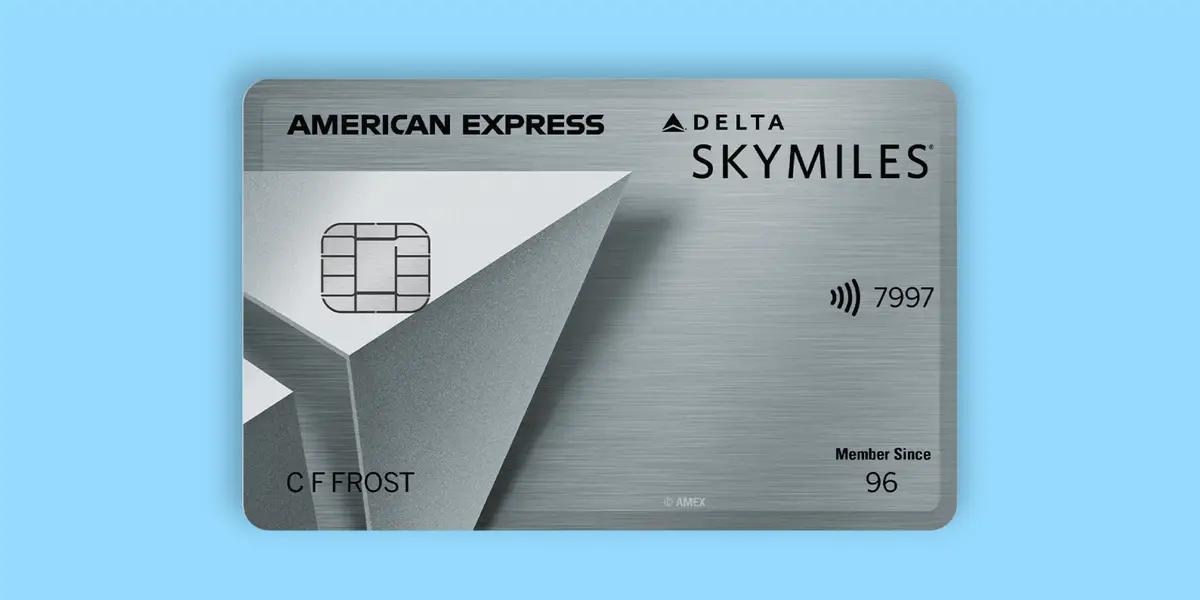
Difference between cashback credit cards and point programs

Understanding Credit Card Rewards
Navigating the world of credit card rewards can often seem daunting, especially with the multitude of options available today. However, selecting the right rewards program based on your lifestyle and spending habits can lead to substantial savings and benefits. Among the most common options you’ll encounter are cashback credit cards and point programs, each designed to cater to different preferences.
What Are Cashback Credit Cards?
Cashback credit cards operate on a straightforward premise: you earn a percentage of what you spend back as cash. For instance, if you have a card that offers 2% cashback and you spend $1,000 in a month, you would earn $20 back. This form of reward is particularly appealing for people who prefer immediate, tangible benefits. Many cashback cards also offer enhanced rewards in specific categories like groceries or dining—making it possible to earn up to 5% cashback on those purchases.
Understanding Point Programs
On the other hand, point programs allow you to accumulate points with every purchase, which can then be redeemed for various rewards. These might include travel tickets, hotel stays, or merchandise from retail partners. For example, a credit card may offer 1 point per dollar spent, which can later be redeemed for a plane ticket worth 25,000 points. This type of reward is ideal for those who frequently travel and prefer to use their points for flights or upgrades.
Key Factors to Consider
When deciding which rewards program suits you best, it’s crucial to assess several factors:
- Spending Patterns: Consider where you spend the majority of your money—do you often dine out, shop for groceries, or travel? Certain cards are tailored for specific spending categories, so identifying your habits can help maximize your rewards.
- Redemption Preferences: Reflect on what type of rewards you value more. If you frequently travel, you might prefer a point program that offers flights or hotel stays. Conversely, if you would rather have immediate cash to spend, a cashback card would be more beneficial.
- Annual Fees: Many premium rewards cards come with annual fees that can range from $50 to several hundred dollars. It’s important to evaluate whether the rewards gained justify the cost. Some cards even offer no annual fee options that can provide a basic level of rewards without extra costs.
By thoughtfully analyzing these factors, you can choose a credit card that enhances your financial well-being. This article will explore further the distinctions, advantages, and potential downsides of both cashback credit cards and point programs, empowering you to make a well-informed decision that aligns with your individual financial goals.
CHECK OUT: Click here to explore more
Analyzing Cashback Credit Cards
Cashback credit cards offer a user-friendly rewards structure that appeals to a broad audience. One of their most attractive features is the simplicity of earning and redeeming rewards. When you use a cashback card, you earn a percentage of your spending back in cash, which can be applied as a statement credit, direct deposit to your bank account, or even a gift card. This straightforward approach makes it particularly appealing for those who want to see immediate benefits from their spending.
Many cashback cards categorize purchases, allowing cardholders to earn higher percentages in specific areas. For instance, a card might offer 3% cashback on groceries, 2% on gas, and 1% on all other purchases. If you focus your spending in these higher-reward categories, you can maximize your cashback earnings significantly. This makes cashback cards especially valuable for families or individuals who have consistent, recurring expenses that fall into these categories.
Pros and Cons of Cashback Credit Cards
Understanding the advantages and disadvantages of cashback credit cards can further aid your decision-making process.
- Pros:
- Immediate rewards: Cashback rewards are typically credited within a billing cycle, providing quick gratification.
- No complicated redemption: Earning and redeeming cashback is straightforward, making it accessible for all users.
- Flexibility: Cashback can be used for any purpose, unlike points that may only be redeemed for specific items or services.
- Cons:
- Lower potential value: Depending on spend categories and limits, cashback earnings may be lower compared to potential value from points, especially in travel programs.
- Cashback caps: Some cards may limit the amount of cashback that can be earned in high-reward categories each month.
- Less enticing for travelers: Frequent travelers may find that cashback does not provide the same level of rewards and benefits as travel-centric point programs.
Exploring Point Programs
Point programs, often associated with travel rewards, operate differently from cashback credit cards. In a point program, you earn points for each dollar spent, which can accumulate over time and be redeemed for various rewards, primarily related to travel. This could include flight tickets, hotel stays, car rentals, or other travel-related perks. For example, let’s say you accumulate 50,000 points in a program that partners with airlines; this could be enough for a round-trip flight from the United States to Europe during off-peak seasons.
Unlike cashback cards, point programs often incentivize users with bonuses for using their cards within certain categories such as travel, dining, or specific retail partners. Loyalty programs may also enhance the value of points, providing additional bonuses or perks, such as priority boarding or complimentary upgrades for frequent travelers.
Benefits and Drawbacks of Point Programs
To make a thoughtful decision, it’s essential to weigh the benefits and drawbacks of point programs.
- Benefits:
- Higher potential value: Points can provide significant value, especially when redeemed for travel, particularly during promotional periods or on partner flights.
- Exclusive offers: Many point programs offer access to exclusive deals, experiences, and services that are not available through cashback options.
- Loyalty and status perks: Using points for travel can lead to earning status within an airline brand, offering benefits like free checked bags, lounge access, and bonus points on future flights.
- Drawbacks:
- Complexity: Understanding points systems can be daunting, with numerous rules for earning and redemption that can vary by airline or hotel chain.
- Expiration of points: Points may expire if there is no activity in your account for a certain time, so keeping track is essential.
- Limited use: Points are often geared toward travel-related rewards, making them less appealing to those who prefer cash or general spending options.
By closely comparing cashback credit cards and point programs, you can determine which option aligns with your financial habits and lifestyle needs, paving the way for smarter credit card usage and enhanced rewards.
SEE ALSO: Click here to read another article
Understanding the Flexibility of Rewards
When comparing cashback credit cards and point programs, flexibility in earning and redeeming rewards plays a crucial role in determining which option may be more advantageous for your spending habits. Cashback cards typically provide straightforward rewards, while point programs often require a more strategic approach.
With cashback cards, the rewards you earn can be directly applied to your spending or redeemed for cash, which gives instant gratification. This is particularly beneficial for those who prefer a “set it and forget it” method of managing finances. If you primarily use your credit card for everyday purchases such as groceries, gas, or utilities, cashback is flexible and usable immediately. For example, if you spend $500 monthly on groceries with a card offering 3% cashback, you could earn $15 each month, which can offset your other expenses without any additional complexity.
Point programs, on the other hand, offer a variety of redemption options that can yield higher value, especially for those passionate about travel. However, this means occasionally juggling restrictions, such as blackout dates for flight bookings or limitations on hotel stays. Suppose you have accumulated 75,000 points in a travel rewards program. Depending on the airline partnerships or specific promotions, you might find that you can redeem those points for a first-class ticket rather than economy class, significantly increasing their value. Loyalty to particular airlines or hotel chains can also provide bonuses, adding more value to your points, especially for frequent travelers who capitalize on these relationships.
Assessing Annual Fees and Interest Rates
Another critical consideration when choosing between cashback credit cards and point programs is the financial implications of annual fees and interest rates. Cashback credit cards tend to have lower fees or even no annual fees, making them accessible to a broader demographic. For example, a popular cashback card might offer all the essential benefits without an annual fee, allowing you to earn rewards without the burden of upfront costs.
Conversely, many point programs come with higher annual fees, which may be justified by extensive travel rewards and perks. A premium travel rewards card could charge an annual fee of $450 but might offer significant travel-related benefits such as complimentary airport lounge access, free checked bags, and travel insurance. For someone who travels frequently, the rewards and benefits may considerably outweigh the expense of the annual fee—especially if the card also includes a signup bonus that can significantly increase your point balance right at the start.
Understanding interest rates is equally vital. Cashback cards often offer competitive interest rates that can make them a better choice for those who occasionally carry a balance. If you know you’re not able to pay off your credit card in full each month, a cashback card with a lower APR can minimize your accumulated interest charges over time. In contrast, some point programs might feature higher interest rates, making them less advantageous for users who may not consistently pay off their balance.
In summary, both cashback credit cards and point programs offer unique rewards structures that cater to different financial goals and lifestyles. By carefully evaluating your spending habits, travel preferences, and financial situation, you can make an informed decision on which type of card best suits your needs.
CHECK OUT: Click here to explore more
Conclusion
In conclusion, understanding the differences between cashback credit cards and point programs can significantly impact your financial decisions and reward maximization. Cashback credit cards are ideal for those who appreciate simplicity and immediate rewards, allowing cardholders to reclaim a percentage of their spending in cash. This straightforward approach works particularly well for individuals who make regular everyday purchases, as it translates to instant savings without the complexities of redemption rules.
On the other hand, point programs appeal to those who are willing to navigate a more intricate rewards system for the potential of greater value, especially if they travel frequently. The leverage obtained through points can lead to enriched travel experiences, from discounted airfare to luxury accommodations, but can also come with limitations and higher fees. Thus, the decision often hinges on individual spending habits and priorities.
It’s crucial to assess annual fees, interest rates, and personal financial strategies when selecting a credit card type. A cashback card may suit those who prefer lower fees and are cautious about carrying a balance, while seasoned travelers might find that the perks of a point program justify its costs. By aligning your card choice with your financial behavior and goals, you can optimize your rewards and maximize value.
Ultimately, the best card is the one that complements your lifestyle—whether that means having cash back in hand or collecting points for your next adventure. Take the time to analyze your spending patterns and reward preferences for a card that serves you best.

Linda Carter
Linda Carter is a writer and financial expert specializing in personal finance and financial planning. With extensive experience helping individuals achieve financial stability and make informed decisions, Linda shares her knowledge on the our platform. Her goal is to empower readers with practical advice and strategies for financial success.